

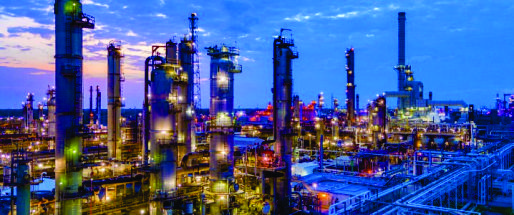
Phillips 66 has shipped crude oil from Texas to the U.S. East Coast on a foreign-flagged tanker, the first such cargo since Washington waived the Jones Act last month, Kpler ship-tracking data shows. The Bakken crude was loaded in early April at a Phillips 66 terminal in Beaumont, Texas, onto the Malta-flagged Htm Warrior. The […]
Data from the Central Bank of Nigeria showed that exports totalled 31.31 million barrels in January and 24.08 million barrels in February. Average daily production stood at 1.46 million barrels in January and 1.31 million barrels in February, while export levels averaged 1.01 million barrels per day and 0.86 million barrels per day, respectively. Overall […]

Gautam Adani has overtaken Mukesh Ambani to become Asia’s richest person, according to the latest data from the Bloomberg Billionaires Index. As per the rankings released on Friday, Gautam Adani, founder and chairman of the Adani Group, now ranks 19th globally with a net worth of $92.6 billion. In comparison, Mukesh Ambani, chairman of Reliance […]
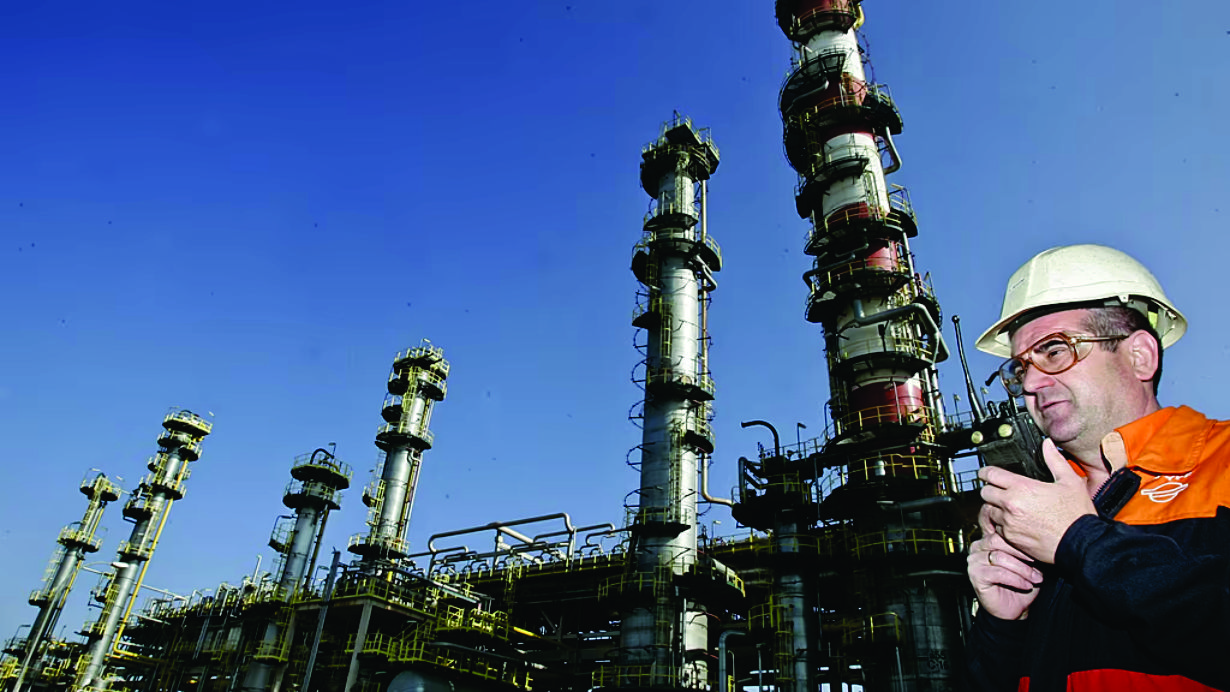
Spanish energy company Repsol confirmed that it is regaining operational control of its oil assets in Venezuela after reaching an agreement with the country’s government and state oil company PDVSA. The deal is expected to include a mechanism to secure payments through oil shipments and could enable Repsol to significantly expand output, including plans to […]
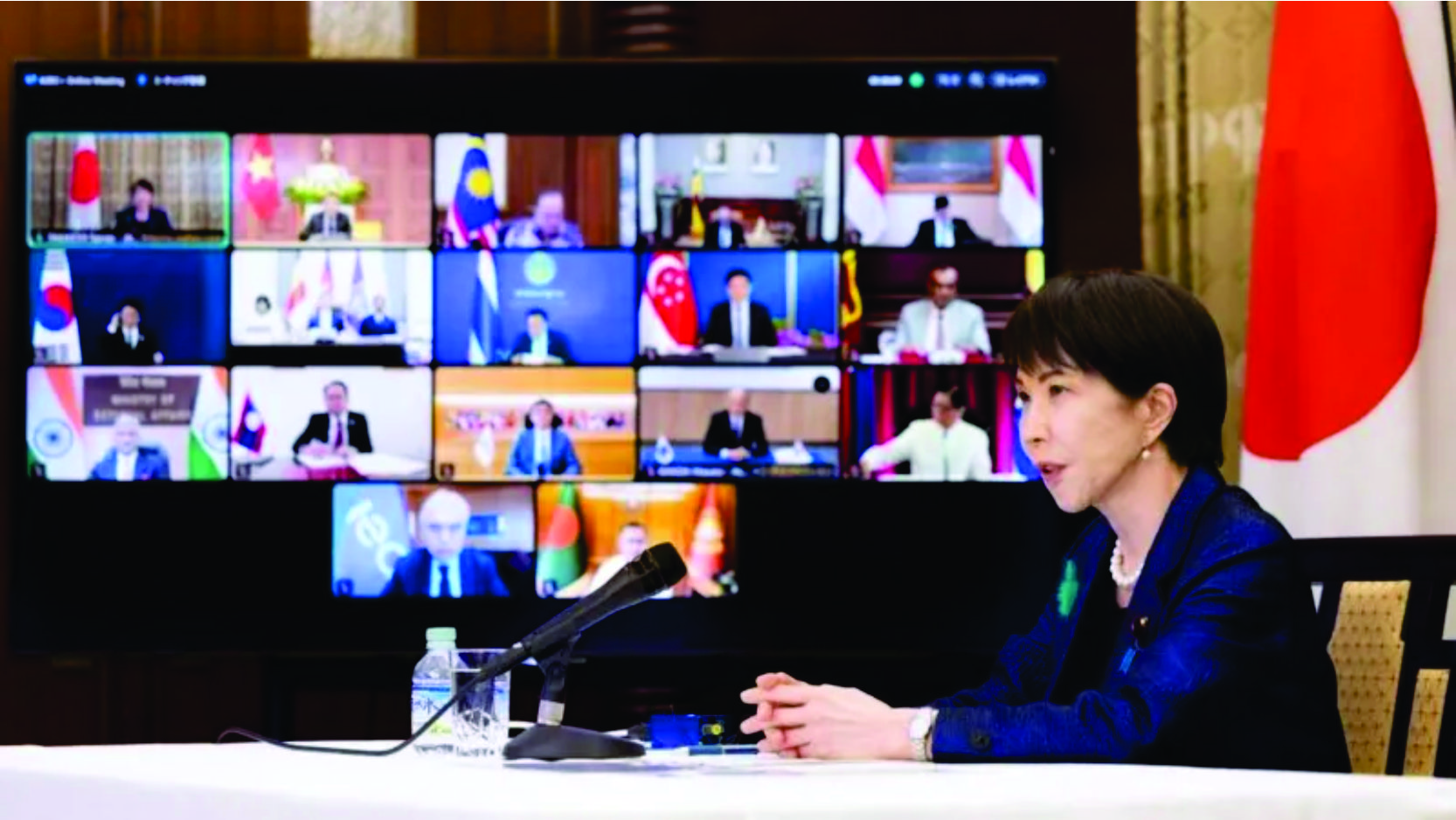
Japan has pledged to provide $10bn (£7.4bn) to help its Asian neighbours, especially those in South East Asia, secure energy including crude oil as the region reels from disruptions caused by the Iran war. Japanese Prime Minister Sanae Takaichi announced the new cooperation framework on Wednesday after an online meeting with other Asian leaders. Japan […]

World shares gained on Wednesday, edging towards record highs after President Donald Trump said talks with Iran could resume over the next two days, with hopes for an end to the Iran war keeping oil prices below US$100 a barrel. The MSCI All-Country World Index rose 0.1%, within sight of its all-time top and on […]
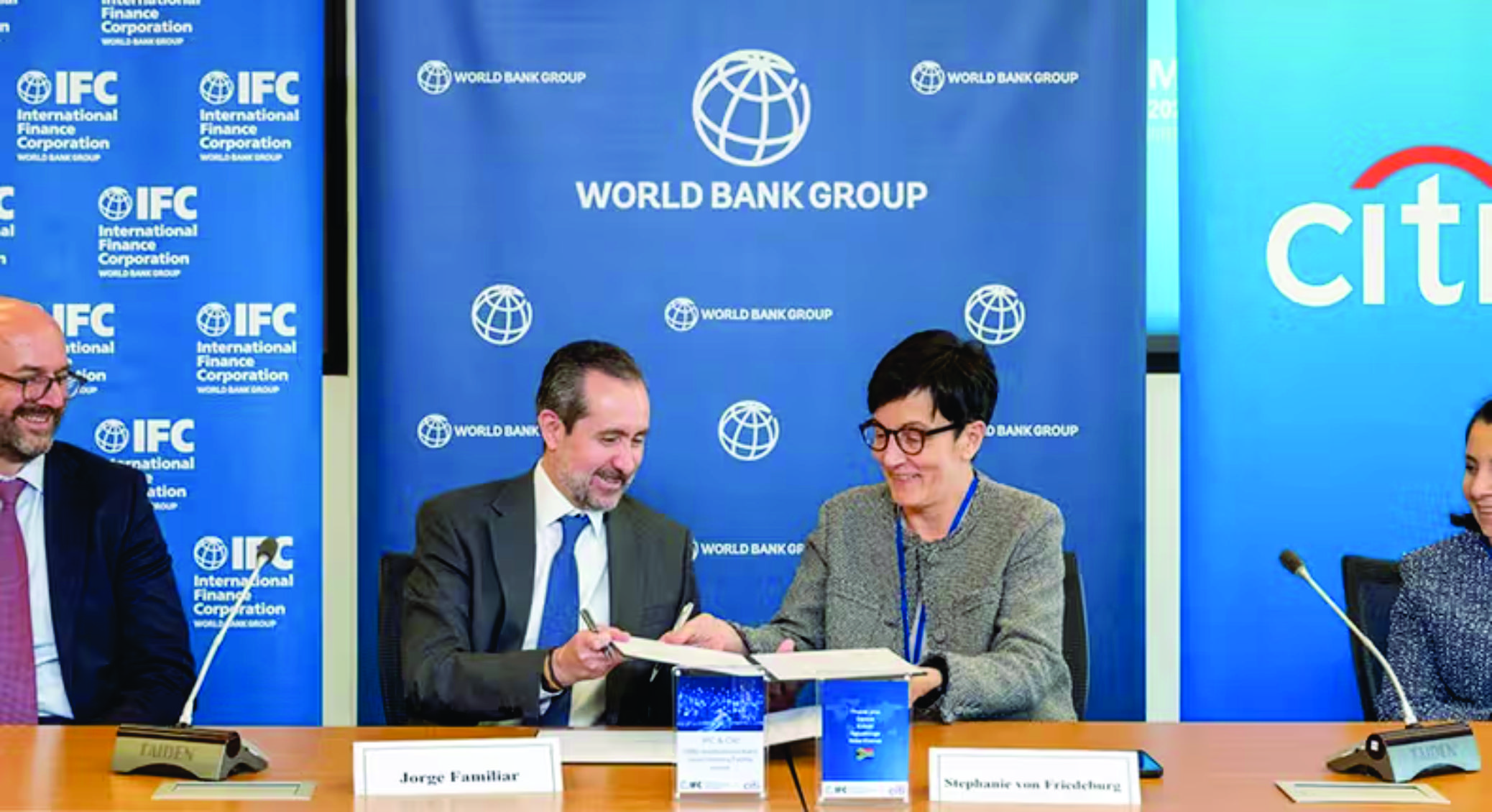
The facility, arranged through the World Bank’s private-sector arm, the International Finance Corporation (IFC), will allow the institution to lend more in South African rand rather than in foreign currencies like the U.S. dollar. This is critical in emerging markets, where companies often earn revenue in local currency but are forced to borrow in dollars, exposing […]

South Korea has secured 273 million barrels of Middle Eastern and Kazakh crude that will not need to transit the Strait of Hormuz—volumes that would sustain its economy for more than three months. “The 273 million barrels of crude oil, based on last year’s consumption levels, are sufficient to sustain the economy for more than […]
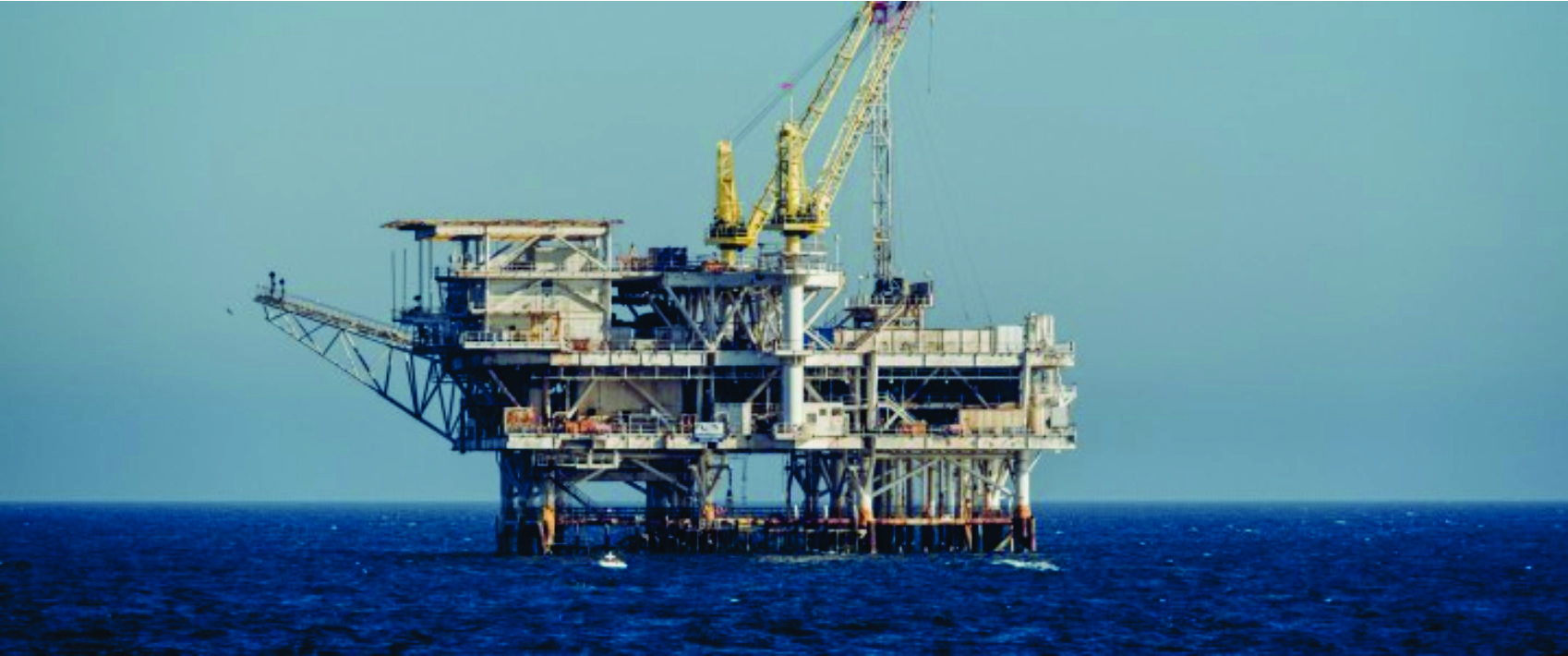
TotalEnergies has found oil and gas on a license which it has been developing offshore the Republic of Congo, the French supermajor said on Monday. TotalEnergies EP Congo, which operates the Moho license with a 63.5% stake, has made the hydrocarbon discovery after drilling the MHNM-6 NFW exploration well targeting the Moho G structure. The drilling campaign […]
Oil prices have fallen back after briefly rising to above $100 a barrel as Donald Trump claimed Iran had made contact and wanted “very badly” to strike a deal in the face of his blockade of the strait of Hormuz. The Brent crude international benchmark rose above the key psychological threshold earlier in the day, […]