

Indonesia opens renminbi clearing bank to ease dollar reliance
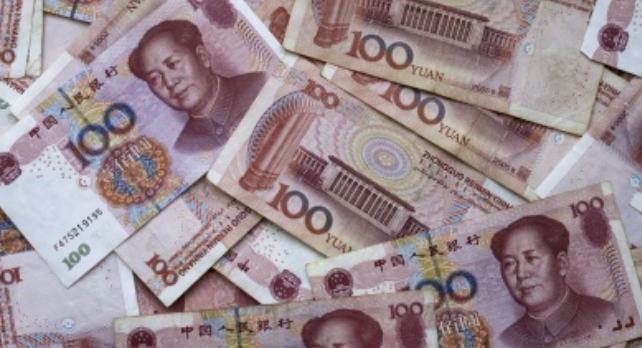
Bank Indonesia has opened a renminbi clearing bank in Jakarta to reduce the country’s reliance on the US dollar in trade with China, CNBC Indonesia reports. The People’s Bank of China (PBoC) appointed Bank of China (Hong Kong) Limited Jakarta Branch to the role, and the facility was launched at the central bank’s headquarters on November 12.
China supplies around 45% of Indonesia’s non-oil and gas imports, mostly raw materials, machinery and capital goods, according to Coordinating Minister for Economic Affairs Airlangga Hartarto. Trade settled in rupiah and renminbi under Indonesia’s local currency transaction (LCT) scheme reached the equivalent of $43.89bn in January to September 2026. That figure compares with $13.19bn for all of 2025, and China now accounts for 83.49% of Indonesia’s total LCT volume.
Bank Indonesia Governor Destry Damayanti said the clearing bank would widen access to renminbi liquidity at home, make Indonesia-China trade and investment more efficient and expand the cross-border use of local currencies. She said that spreading international payments across more currencies would shore up external resilience and help keep the rupiah stable amid global volatility.
Airlangga said that settling trade in currencies other than the dollar should ease pressure on the rupiah. He said the government hoped state firms Pertamina and PLN would use LCT to pay for oil and gas. He added that China ranked among Indonesia’s three largest investors, with $4.97bn invested in the first nine months of 2026.
PBoC Deputy Governor Tao Ling said the Chinese central bank stood ready to tighten coordination with Bank Indonesia and broaden the gains from financial cooperation.
The clearing bank signed commitments with 12 lenders acting as appointed cross currency dealers, including Bank Mandiri, BCA, BRI and ICBC Indonesia. The arrangement follows a memorandum of understanding the two central banks signed on June 11.
Bank Permata chief economist Josua Pardede said that the facility was a positive step for the rupiah’s medium-term resilience but would not automatically strengthen the currency.
Bank Danamon chief economist Irman Faiz said any effect on the rupiah would probably be gradual. He said the USD/IDR rate would still depend on global dollar conditions, portfolio flows, the balance of payments and the credibility of domestic policy.
Source: Intellinews


