

U.S.-China trade truce shows uneven progress across soybeans, Boeing jets and rare earths
Different speeds across core trade pledges
As reported by CNBC, soybean purchases, Boeing aircraft commitments and rare earths access are developing unevenly despite their central role in the current U.S.-China trade truce.
Analysts say the arrangement is functioning mainly as a limited stabilizer rather than a broader reset in relations. Eric Xiao, head of sales for Asia at CMC Markets, says the truce is moving fastest where the political and economic cost is lowest, while Larry Hu, head of China economics at Macquarie Group, describes the relationship as a détente shaped by a balance of vulnerability.
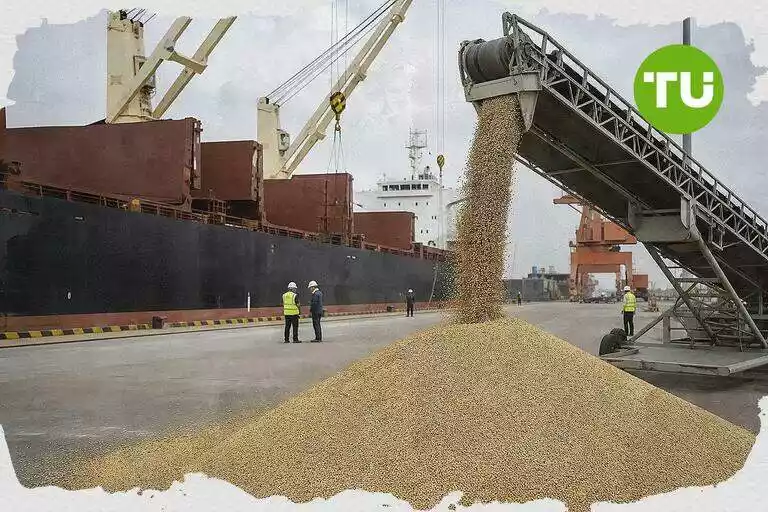
Soybeans provide the clearest measurable sign of progress. China has bought almost half of its 25 million ton annual commitment after purchasing about 1 million tons from U.S. producers in a single week in September, while analysts note that buying tends to increase ahead of high-level bilateral meetings.
Progress is less transparent in aircraft. U.S. Trade Representative Jamieson Greer says about 140 aircraft are in a good state and orders for another 10 are being written, but customers, models and delivery schedules have not been disclosed. Boeing CEO Kelly Ortberg also says Chinese airlines are expected to place and announce orders individually rather than through a single 200-aircraft deal.
Rare earths remain the clearest strategic test
Rare earths access is harder to measure because the commitment is framed around reliable supply rather than a fixed export volume. Chinese shipments of rare earth magnets to the U.S. recover after earlier restrictions, but fall to 512 metric tons in August, down 20% from July and 13% from a year earlier, based on Chinese customs data cited in the source text.
U.S. customers still face uncertainty. Some Chinese suppliers decline U.S. orders over geopolitical and compliance concerns, while some American companies wait more than six months for export licenses, underscoring the limits of the current easing.
Analysts view rare earths as the most important signal of the broader relationship because concessions in this area carry greater strategic cost than soybean buying or aircraft orders. Hu points to rare earths as a key Chinese choke point against U.S. leverage in advanced semiconductors, while Xiao says progress in rare earths could support a more durable relationship, even as a full export cutoff would also risk accelerating alternative supply chains and damaging Chinese producers tied to global electric vehicle and technology markets.
In our previous coverage of Senate Democrats’ warning on U.S.-China policy ahead of Xi Jinping’s visit, lawmakers argued that Beijing is exploiting U.S. vulnerabilities in AI and advanced semiconductors while supporting adversarial regimes and stepping up pressure on Taiwan. They urged the White House to tighten export controls on chips and manufacturing tools and to link diplomacy with tougher security and economic measures, framing engagement with China as both a strategic risk and a driver of domestic cost pressures.
Source: Tradersunion


