

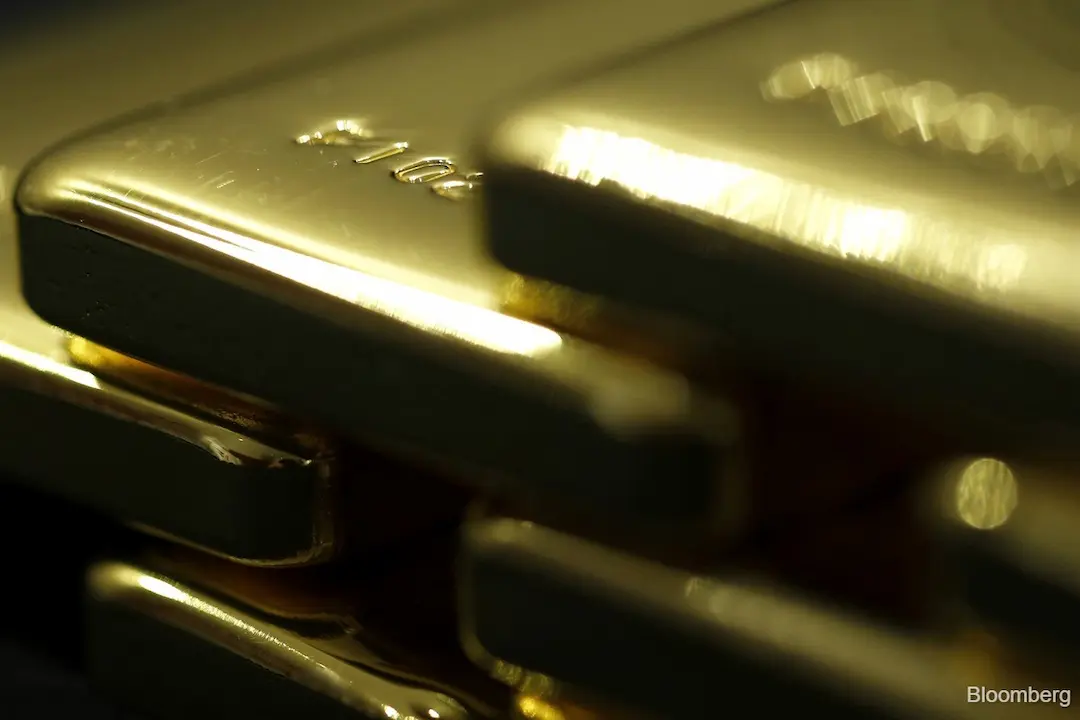
Gold tops US$4,000 for first time fuelled by US shutdown.
Spot gold smashed through US$4,000 (RM16,876) an ounce for the first time, as concerns over the US economy and a government shutdown added fresh momentum to a scorching rally.
It’s a milestone for bullion, which traded below US$2,000 just two years ago, with returns that now outstrip those for equities this century. Gold has jumped more than 50% this year in the face of uncertainties over global trade, the Federal Reserve’s independence, and US fiscal stability.
Heightened geopolitical tensions have also boosted demand for haven assets this year, while central banks have continued to buy the precious metal at an elevated pace.
The rally has taken on extra urgency, as investors seek protection from potential market shocks following the government funding impasse in Washington. The start of the Fed’s monetary easing cycle has also been a boon for gold, which doesn’t pay interest. Investors have responded by piling into exchange-traded funds (ETFs), with bullion-backed ETFs seeing their biggest monthly inflow in more than three years in September.
“Gold breaking US$4,000 isn’t just about fear — it’s about reallocation,” said Charu Chanana, a strategist at Saxo Capital Markets Pte Ltd. “With economic data on pause and rate cuts on the horizon, real yields are easing, while AI (artificial intelligence)-heavy equities look stretched. Central banks built the base for this rally, but retail and ETFs are now driving the next leg.”
Bullion climbed as much as 1.1% to US$4,026.69 an ounce on Wednesday, and was trading at US$4,025.86 as of 1pm in Singapore.
Jumps in the price of gold typically track broader economic and political stresses. The metal breached US$1,000 an ounce in the aftermath of the global financial crisis, US$2,000 during the Covid pandemic, and US$3,000 as the Trump administration’s tariff plans washed over global markets in March.
The precious metal has now broken past US$4,000 against the backdrop of, among other things, US President Donald Trump’s assault on the Fed, including threats against Fed chair Jerome Powell and a push to oust Fed governor Lisa Cook, the clearest test so far of the US central bank’s autonomy.
A pliant Fed that would lower rates and spur higher inflation could set up a Goldilocks situation for gold. Bullion is seen as an inflation hedge and is usually weighed down by high borrowing costs, which make cash or bonds more appealing.
“The metal’s climb to the US$4,000 milestone reflects not only surging safe-haven demand, but also a deepening distrust in paper assets as fiscal risks and geopolitical tensions intensify,” said Hebe Chen, an analyst at Vantage Markets in Melbourne. “In the short term, a consolidation phase looks likely after such a relentless advance.”
Central banks have been a key driver of bullion’s rally, flipping from net sellers to net buyers following the global financial crisis. The pace of buying doubled after the US and its allies froze Russia’s foreign-exchange reserves in 2022, following the full-scale invasion of Ukraine. That pushed many central banks to consider diversifying, while inflation and speculation that the American government would treat foreign creditors less favourably further highlighted bullion’s appeal to policymakers.
Source: Theedgemalaysia


